By Lyne Desforges, Holistic Nutritionist & Culinary Expert
Making Sea Moss Gel
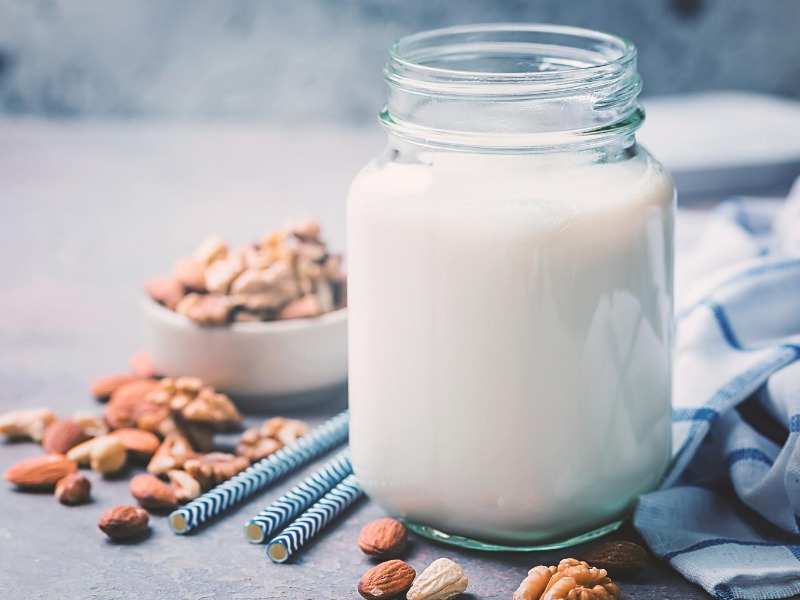
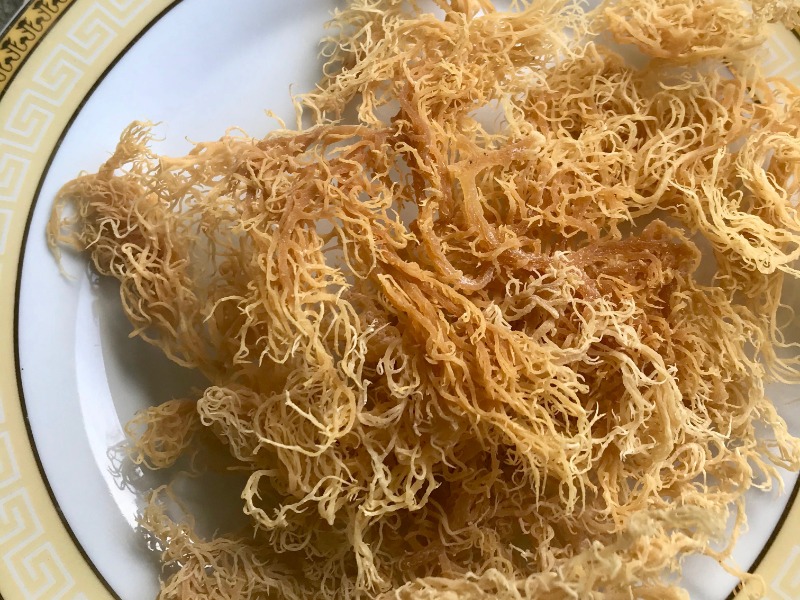
I love when my kitchen becomes a nutrition lab as I experiment with new foods, new ingredients, and new recipes. I had heard about adding Sea Moss (also know as Irish Moss or red algae) to homemade nut milk as a natural thickener so I finally ordered some and learned how to work with it.
After doing some research, I also found out that sea moss has many health benefits, especially as a soothing and healing treatment for any mucous membrane in the body, especially the gut. What a bonus!
Here are 5 simple and easy steps to make sea moss gel.
Step 1: Rinse Well
Remove from the packaging and place in a colander. Rinse under cold water to get any excess salt or debris out.
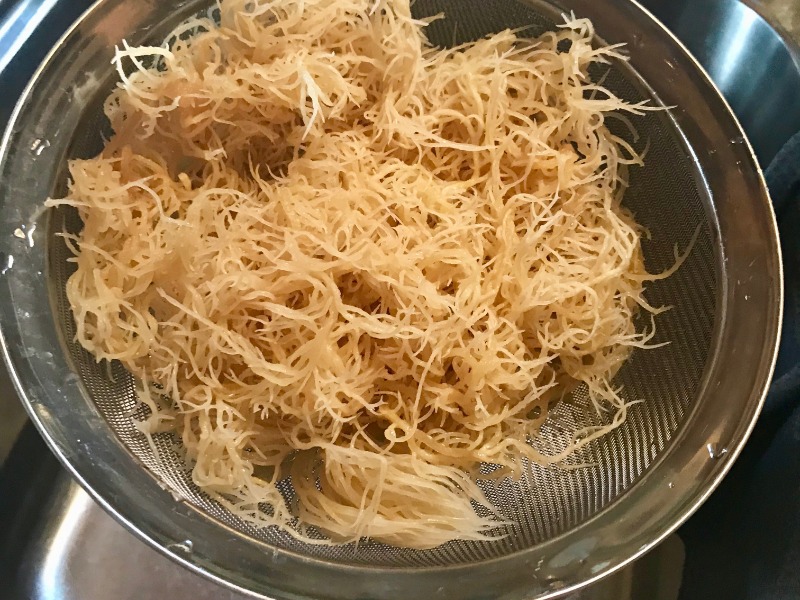
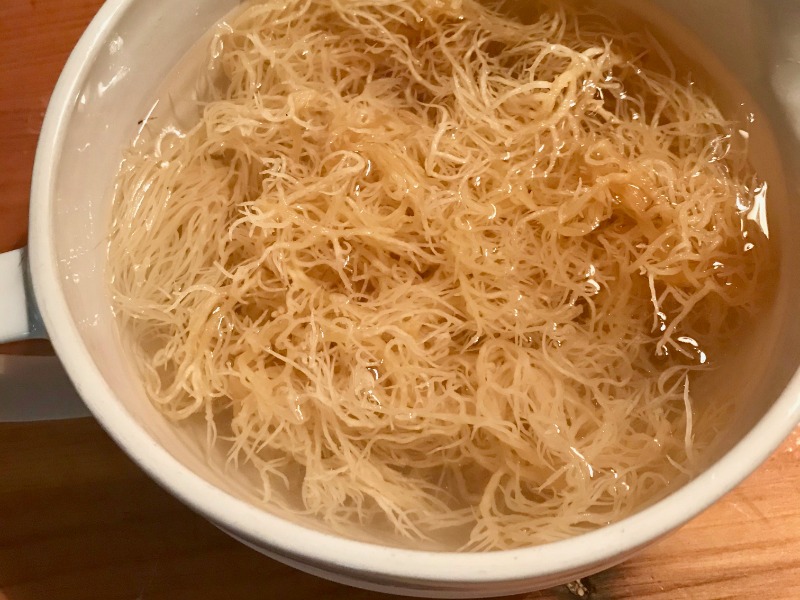
Step 2 – Soak In Water
Take a large bowl, add the sea moss and cover in lots of pure filtered water. Note that the sea moss will expand so you may need to add more water. You can add the juice from half a lime to the water. It will help take away the fishy taste and smell. Let soak overnight.
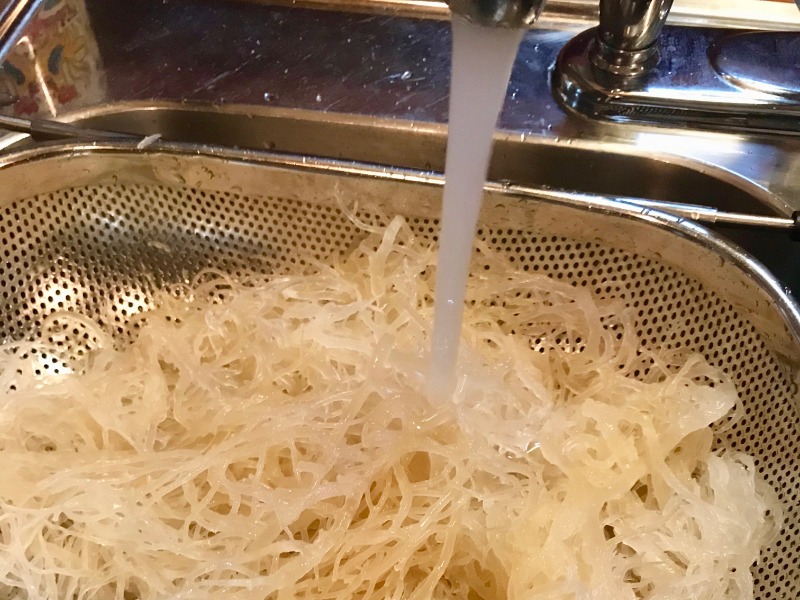
Step 3-Rinse Again
Drain the sea moss in a large colander and rinse again under cold water. Swish it around until everything has been evenly rinsed. You will notice that the colour may have whitened a bit after the soaking. That is totally fine.
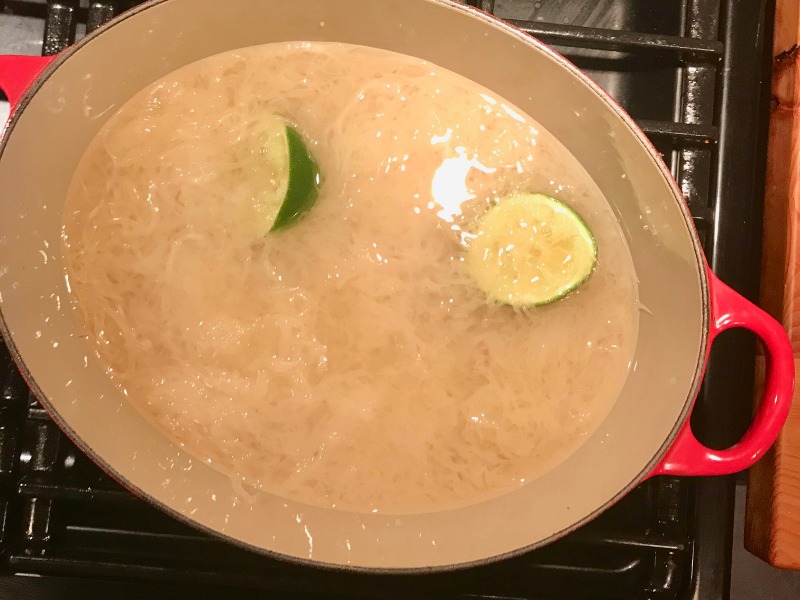
Step 4 – Boil Gently (optional)
Take out a large saucepan and add a bit of pure filtered water to the pan. Bring to a gentle boil. Add the sea moss and reduce the heat to just below boiling. There should be enough water in the pan to just cover the sea moss but not drown it completely. Heat gently on medium-low for 20-25 minutes. You can add more lime or lemon juice to the pot again. You can even add the juiced-out lime halves (as shown in the photo). The sea moss will start to really soften and thicken. It is almost completely white at this point.
Note: You can omit this step and just blend the raw soaked sea moss with pure filtered water in your blender. Using a ratio of 2 cups water to 1 cup of sea moss should work.
Step 5 – Blend It
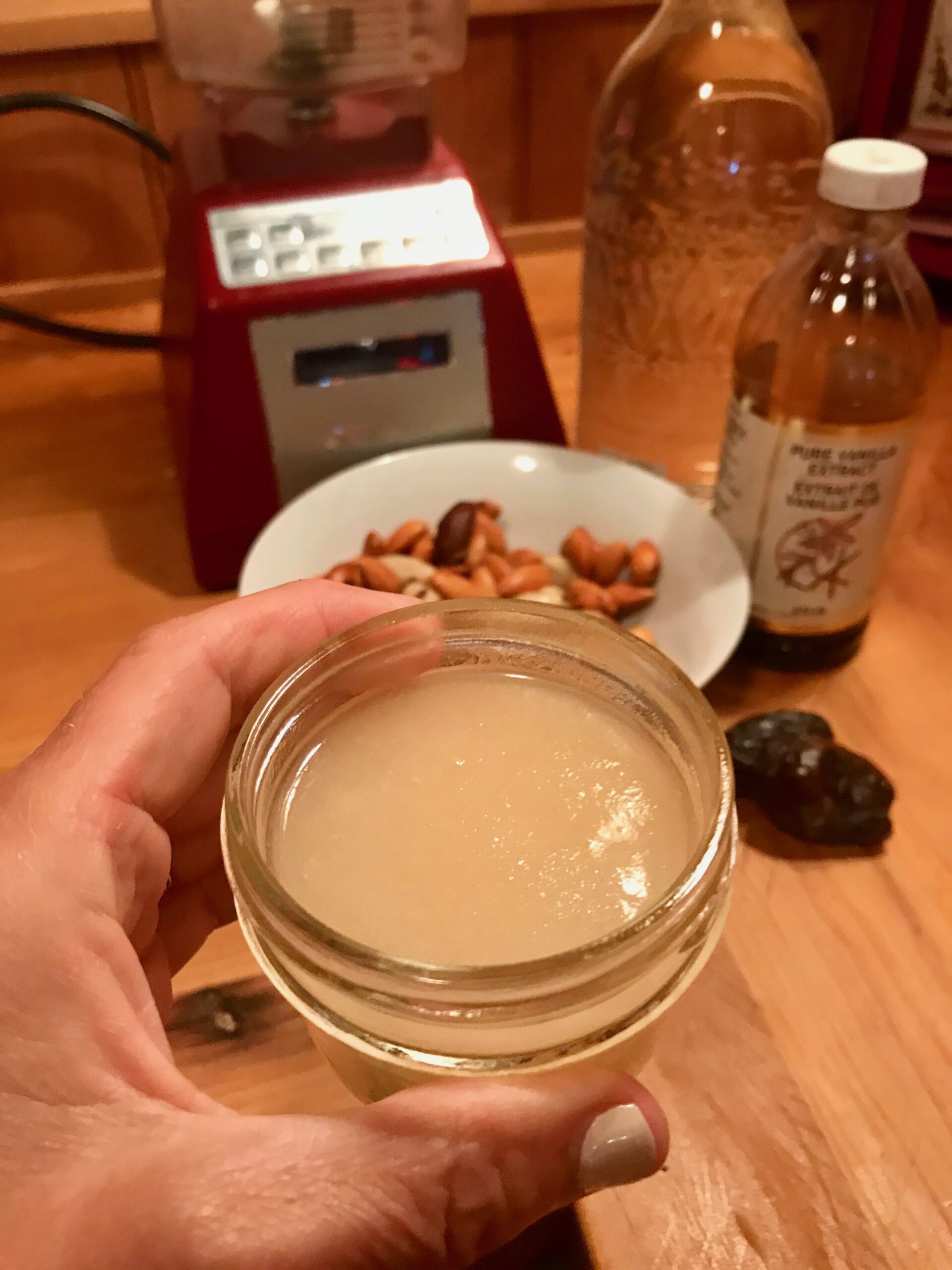
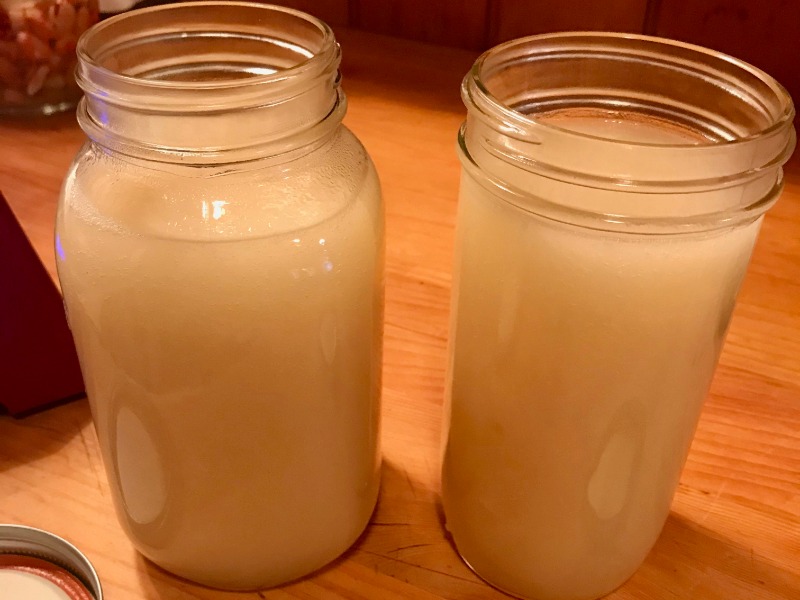
Turn off the heat. Let cool a few minutes. Pour the whole contents of your saucepan in your blender. Start blending on medium-high speed. It should form a thick homogenous liquid. Pour into clean Mason jars and let cool. Then add the lids and refrigerate until ready to use.

Use It in Homemade Nut Milk
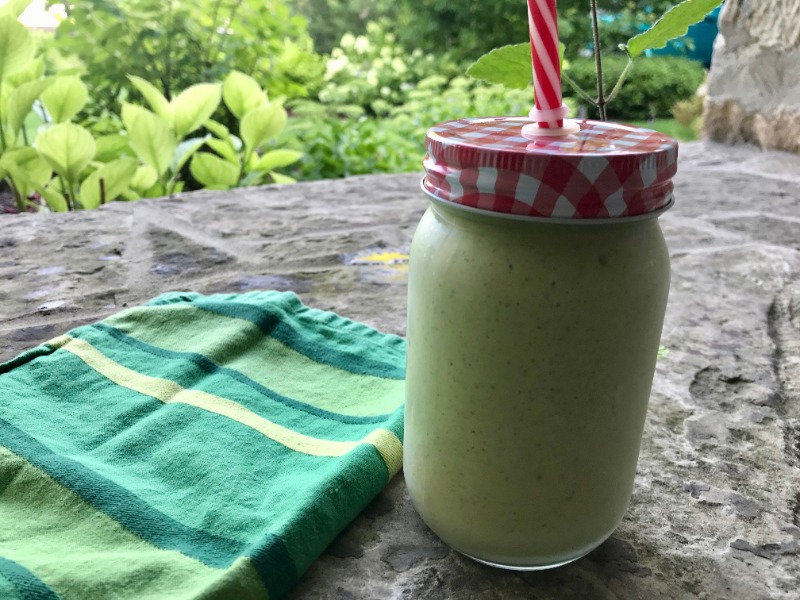
Once cooled completely, you should have a nice thick gel that you can add to your homemade nut milks, smoothies, soups, stews, drinks, or even personal care products. More recipes to come as I experiment with this new ingredient.

By Lyne Desforges, Holistic Nutritionist & Culinary Expert
Sea Moss: A Superfood?
I love experimenting in the kitchen and trying out new foods. After reading about how sea moss is a great thickener for homemade nut milk, I decided to order some and give it a try. I also wanted to see if all the hype about the health benefits were true.
What is it?
Sea moss is actually not a moss but an algae. It is also known as Irish moss, red algae, carrageen, or under its latin name Chondrus Crispus. It is a sea vegetable that is used in many parts of the world as a thickening agent for non-dairy milks, soups, smoothies, stews, and even skin and hair products. (5)
Sourcing it
Sea moss is found in abundance in the Carribean, as well as the North Atlantic Ocean area. Finding a clean source is important as many can contain toxic minerals such as mercury. St. Lucia seems the be one of the cleanest sources and that’s where mine came from. (1)
Is it healthy?
Like most sea vegetables, sea moss is rich in various minerals (calcium, zinc, selenium, potassium, etc.), A&B vitamins, iodine and antioxidants. According to the packaging label on my sea moss, it has incredible health benefits that cover pretty much every major system in the body (see photo).
Studies on the health benefits of sea moss are very limited so these claims may stem from general observations, correlations, and traditional uses over many centuries. The studies that have been done on algae were in vitro or on lab animals and they show some some evidence of the beneficial effects of sea vegetables and their components. (4)
Thyroid Health
There are two main thyroid hormones that are produced naturally in our body: tri-iodothyronine (T3) and thyroxin (T4), both of which are also found in abundance in the sea moss. Therefore, sea moss and sea vegetables are often used as a treatment for thyroid disorders. (10, 12) Because sea vegetables also contain good amounts of iodine and selenium, they help with the metabolism of thyroid hormones. Since the thyroid regulates all metabolic activities in the body, it is important to keep it healthy.
Natural Detoxifier & Cancer Fighter
Sea moss contains algin, a compound that could have a detoxifying effect because it may decrease the amount of certain heavy chemicals in the body. (2)
Another interesting study compared the effectiveness of tamoxifen (a breast cancer drug) versus an edible red algae extract in rat animals. Their findings were impressive, showing that the algae was 27% more effective than the conventional drug. There is definitely more research needed in this area but the early findings are very promising. (9, 11)
Digestive Health
As soon as you start working with sea moss (soaking it, heating it gently), you notice its mucilaginous texture (slimy texture). This means that ingesting it will have a very healing and soothing effect for any internal mucous membrane such as the whole digestive tract and external membrane such as skin and hair. (10, 13)
It also provides great prebiotic fibre to the gut, helping to nourish the good bacteria so that we can maintain good gut health and balance. (8)
Nourishment for the skin
Sea moss contains citrulline-arginine, amino acids that are important sources of nitrogen and are essential for protein and collagen synthesis. It can help protect the skin against harsh environments, and prevent and improve skin aging. (5)
Respiratory and Immune Health
Because it is so soothing and nourishing for all mucous membranes, sea moss has been used traditionally to relieve, treat or prevent any respiratory ailments such as coughs, colds, congestion, bronchitis, sore throats, etc. (6)
Certain components of sea moss have antiviral and antimicrobial properties that actually enhance the immune response in the body reducing the chances of infections. (7)
Is Carrageenan Bad?
There has been a lot of talk recently about the negative health effects of carrageenan on humans, especially cancer-causing effects. It should be noted that studies have been on lab animals and using degraded carrageenan (the kind often used in processed foods). There were no negative effects observed when using undegraded carrageenan. (3, 13) Carrageenan is one of the components that is found in sea moss. When working with the whole sea moss, I used the whole plant, not just one component. Eating the whole food is always a better option when it comes to nutrients in their most bioavailable form.
The Learning Kitchen
Sea moss is definitely an interesting food with many potential health benefits. It has been used traditionally in so many cultures all over the world to treat and heal various conditions. More research needs to be done but some of the preliminary studies are very promising. For my part, I am happy to learn more about it and add it to various recipes as I continue to experiment and discover new products in my learning kitchen.
References:
- “4oz.16.Oz St. Lucia Seamoss 100% Dried Raw Natural.” Etsy, etsy.com/ca/listing/634248837/4oz-16oz-st-lucia-seamoss-100-dried-raw.
- “Algin: Uses, Side Effects, Interactions, Dosage, and Warning.” WebMD, WebMD, webmd.com/vitamins/ai/ingredientmono-275/algin.
- Ariffin, Shahrul Hisham Zainal, et al. “Cytotoxicity Effect of Degraded and Undegraded Kappa and Iota Carrageenan in Human Intestine and Liver Cell Lines.” BMC Complementary and Alternative Medicine, BioMed Central, 17 Dec. 2014, ncbi.nlm.nih.gov/pmc/articles/PMC4320596/.
- Brown, Emma M, et al. “Seaweed and Human Health.” OUP Academic, Oxford University Press, 1 Mar. 2014, oup.com/nutritionreviews/article/72/3/205/1853561.
- Chondrus Crispus. sciencedirect.com/topics/agricultural-and-biological-sciences/chondrus-crispus.
- “Irish Moss-Chondrus Crispus.” Health Benefits, healthbenefitstimes.com/irish-moss/.
- Liu, Jinghua, et al. “Components of the Cultivated Red Seaweed Chondrus Crispus Enhance the Immune Response of Caenorhabditis Elegans to Pseudomonas Aeruginosa through the Pmk-1, Daf-2/Daf-16, and Skn-1 Pathways.” Applied and Environmental Microbiology, American Society for Microbiology, Dec. 2013, ncbi.nlm.nih.gov/pmc/articles/PMC3837755/.
- Liu, Jinghua, et al. “Prebiotic Effects of Diet Supplemented with the Cultivated Red Seaweed Chondrus Crispus or with Fructo-Oligo-Saccharide on Host Immunity, Colonic Microbiota and Gut Microbial Metabolites.” BMC Complementary and Alternative Medicine, BioMed Central, 14 Aug. 2015, ncbi.nlm.nih.gov/pmc/articles/PMC4535385/.
- “Seaweed Outperforms Chemotherapy for Breast Cancer.” NaturalHealth365, 26 Oct. 2017, naturalhealth365.com/seaweed-breast-cancer-2328.html.
- “Irish Sea Moss: Benefits, Uses and Products: ScienceFlora.” Science Flora, 6 Apr. 2020, scienceflora.org/irish-sea-moss/.
- Shamsabadi FT;Khoddami A;Fard SG;Abdullah R;Othman HH;Mohamed S; “Comparison of Tamoxifen with Edible Seaweed (Eucheuma Cottonii L.) Extract in Suppressing Breast Tumor.” Nutrition and Cancer, U.S. National Library of Medicine, ncbi.nlm.nih.gov/23441613/.
- Teas J;Braverman LE;Kurzer MS;Pino S;Hurley TG;Hebert JR; “Seaweed and Soy: Companion Foods in Asian Cuisine and Their Effects on Thyroid Function in American Women.” Journal of Medicinal Food, U.S. National Library of Medicine, ncbi.nlm.nih.gov/17472472/.
- Telpner, Meghan. “Sea Moss! Where Have You Been All My Life?” Meghan Telpner, 25 Jan. 2019, meghantelpner.com/blog/sea-moss-and-irish-moss-everything-you-need-to-know/.
A Nut-Free Snack Everyone Can Enjoy!
Many granola bars have nuts or nut butters which becomes problematic for kids to bring to school. By making your own nut-free granola bars, you are sure they are safe for school and you can control all the ingredients including the sugar content.
Our Nut-Free Granola Bar contains a variety of seeds. We love seeds because they are nutrient-dense since they contain all the necessary elements to develop into a complex plants. They are high in fibre, healthy fats, and rich in certain vitamins and minerals. Flax seeds and sesame seeds are both great sources of lignans, a phytoestrogen that can help with hormonal balance. Pumpkin seeds and sunflower seeds both contain phytosterols which can help lower cholesterol levels. (1)
Whenever you make these Nut-Free Granola Bars, double the recipe and freeze them so you have a go-to healthy snack whenever cravings hit.
Makes approx. 10 bars
Prep time: 15 minutes
Cook time: 15 minutes
What you need:
- 1/3 cup sesame seeds
- 1/2 cup pumpkin seeds
- 1/2 cup sunflower seeds
- 1/4 cup ground flax seeds
- 1/4 cup dried unsweetened cranberries
- 1/4 tsp sea salt
- 1/4 cup raw honey
- 1/4 cup Sunbutter*
*Sunbutter is a sunflower-based butter that taste similar to peanut butter.
What you do:
- Preheat oven at 350C. Line a small square pan with parchment paper and grease with some coconut oil.
- Dry-roast the sesame, pumpkin and sunflower seeds in a large pan on low-medium heat for about 5 minutes. Stir regularly and remove when lightly browned or lightly toasted.
- Transfer to a large bowl and add the ground flaxseed, cranberries, and salt. Mix well. Add the honey and Sunbutter. Stir until all ingredients are evenly mixed.
- Transfer to your greased pan and press down using a flat spatula. Bake in 350C oven for 15 minutes.
- Let cool completely before cutting into bars. Use the parchment paper to lift out of the pan, then use a very sharp knife to cut into bars.
- Store in the fridge or freezer until ready to eat.
Bon appétit!
Substitution tips (if nuts are permitted):
- Replace 1/4 cup of pumpkin seed + 1/4 cup of sunflower seed with 1/2 cup of chopped pecans.
- Replace the cranberries with dried cherries, raisins, or chopped dates.
- Replace the Sunbutter with almond butter.
References:
-
Robertson, R. (n.d.). 6 Super Healthy Seeds You Should Eat. https://www.healthline.com/nutrition/6-healthiest-seeds
Summer Fresh
Pico de Gallo is a type of salsa that is made from fresh uncooked ingredients, mainly tomatoes, onions, cilantro, chili pepper and lime juice. Our version is milder and easier to digest. We replaced the onions with green onions and the chili peppers with bell pepper & garlic. To offset the tanginess of the limes, we added some mango sweetness and the result is our own Mango Pico de Gallo.
Summer is a great time to enjoy fresh tomatoes from your garden or from your local farmers’ market. Tomatoes are high in phytonutrients such as flavonoids and carotenoids (i.e. lycopene) and they are an excellent source of vitamin C, vitamin K, Folate, and potassium. (1, 2) This means they have great anti-inflammatory and anti-oxidative power. Many studies have been done on the health benefits of tomatoes and results show that these benefits extend to various organs and body systems such as the cardiovascular system, the musculoskeletal system, the kidneys, the liver and the skin. (2)
We love tomatoes for their versatility. You can enjoy them fresh or cooked as part of a sauce, soup, stew, or as a topping. Our Mango Pico de Gallo is gluten-free and dairy-free. Enjoy it on its own as a dip, as a side or as a topping for salad, fish, or meat. Bon appétit!
Makes approx. 2 cups
Prep time: 15 minutes
What you need:
- 3 fresh tomatoes (such as Roma), diced
- 1 bell pepper, diced
- 2 green onions, sliced
- 1/2 cup diced mango
- 1 radish, halved & thinly sliced (optional)
- 2 garlic cloves, crushed
- 1/4 cup fresh cilantro, chopped
- juice of 1 lime
- sea salt & freshly ground pepper to taste
What you do:
- In a glass bowl, combine all the ingredients and mix well.
- Let sit for 15 minutes for the flavours to mix.
Bon appétit!
Substitution tips:
- Replace green onion with 1/2 cup minced red onion.
- Replace the mango with some fresh peaches.
- Omit the radish and use another uncooked seasonal vegetable.
References:
-
Bjarnadottir, A. (n.d.). Tomatoes 101: Nutrition Facts and Health Benefits. https://www.healthline.com/nutrition/foods/tomatoes
- The George Mateljan Foundation. Tomatoes. http://www.whfoods.com/genpage.php?tname=foodspice&dbid=44
Sofie Desforges-Bell | Blog | Naturopathic Medicine | Nutrition | Wellness Tips
By Dr. Sofie Desforges-Bell, Naturopathic Doctor
Seasonal Allergies (aka Hay Fever, Allergic Rhinitis)
It’s that time of year again!
Due to the current global pandemic, we have been spending a lot of time indoors. However, this is about to shift dramatically as the temperature warms up and the sun starts to shine that much brighter. Unfortunately, for some of us, that means lots of sneezing, congestion, and itching. Yes, seasonal allergies are here!
Common allergy triggers include pollen (from grasses, trees, weeds), dust mites, molds, and pets. These allergens cause an inflammatory process in the body of those who have been sensitized, releasing mediators such as histamine. This causes vasodilation of certain tissues, especially in the respiratory tract, hence the sneezing, coughing, and general congestion.
From lifestyle and dietary modifications to supplements and botanicals, naturopathic medicine provides many tools as an alternative to over-the-counter histamines. There are many health strategies you can implement to help prevent and reduce your seasonal allergy symptoms.
Identify Your Allergens

If you suspect you have allergies, I recommend you consult with your healthcare practitioner and get a referral to an allergist if need be. Getting IgE allergy testing is important to identify your allergens so you can avoid and/or remove them from your environment, as much as possible.
Some people suspect that they suffer from seasonal allergies, when in fact they may have food sensitivities. Food sensitivities are a delayed onset reaction mediated by the IgG part of the immune system versus the IgE involved in your typical hay fever picture. Having food sensitivities does also predispose you to leaky gut and increases the overall inflammation in your body. You can find out more about your own food sensitivities by doing an elimination diet or a Food Sensitivity Test.
Another important thing to rule out is histamine intolerance/overload. Some people tend to have a higher body burden of histamine either from medications, gastrointestinal issues or consuming lots of high histamine foods. If you fall in this category, you may not suffer from overt allergies, but allergens in the environment may further trigger a histamine reaction in your body leading to very similar symptoms. If we compare your body to a bucket that is already filled with water, that extra drop might just be the tipping point that causes the water to overflow. The same goes for the histamine in your body. Allergens in the environment or in your food, might just be that extra drop in the bucket that your body cannot dispose of, and cue the allergic symptoms.
The point is that you must get to the root cause of your disease in order to treat your condition appropriately and effectively and avoid merely managing symptoms with band-aid solutions such as over-the-counter anti-histamines.
Lifestyle Modifications
Once you have identified your known allergens, the best thing you can do is to avoid them and remove them from your environment, as much as possible. In certain cases, it is impossible to avoid them completely (i.e. pollen) as you are at the mercy of Mother Nature.
There are still a few strategies you can implement that may help manage your allergic symptoms.
- Air purifier with HEPA filter
- Dehumidifier for dust mites and fungus
- Washing your clothes in hot water to destroy allergens
- Nasal irrigation: Research shows that using nasal irrigation daily can help to improve symptoms such as sneezing and itching and reduce the need for nasal corticosteroids or improve their efficacy when used in conjunction. (Hermelingmeier KE, 2012)
Nutrition
When it comes to nutrition, there is no perfect diet for everyone. It is always individualized. However, as always, it is important to eat a well-balanced diet of whole foods with lots of variety. There are still a few tricks you can try to implement if your seasonal allergies are getting the best of you.
- Low-histamine diet: Even if you aren’t a person that has histamine intolerance, you may still benefit from avoiding certain foods that are high in histamine during this time of year to minimize your symptoms. It is hard to navigate through all the information on Internet relating to histamine. Fortunately, our Registered Holisitc Nutritionist Lyne, has compiled the information in her blog “Histamine in Foods“. You can also purchase our 4-week Low-Histamine Menu to get you started. Contact us for more information.
- Increase omega-3/omega-6 ratio: Omega-3s and Omega-6s are both essential polyunsaturated fatty acids. We often focus on increasing our levels of omega-3 fatty acids, through food and supplementation, because these have a known anti-inflammatory effect. Omega-6s tend to be more pervasive in our food sources already, so we don’t need to focus so much on attaining our essential levels of these fatty acids. They also can become pro-inflammatory in excess, so the idea is to maintain the proper ratio of omega-3s to omega-6s. The overall goal is to reduce inflammation in the body because it can often contribute to many allergic symptoms such as swelling, itching, and runny noses. (Okamoto) Your best sources of Omega-3 foods are fish & seafood (especially cold-water fatty fish), and nuts & seeds (especially flaxseeds and walnuts).
- Spirulina: this blue-green algae can be consumed as part of your diet or taken as a supplement. Spirulina naturally grows in salt water and in some fresh water lakes. It is a great source of minerals that is well ingested when taken orally. You do have to be wary of sourcing though as some natural sources may be contaminated. Research is starting to become more frequent with this algae for its benefits on the immune system, inflammation and infections. Although the evidence remains insufficient at this time, some preliminary research has shown that taking 2g of spirulina daily for 6 months has improved self-reported scores of sneezing, nasal discharge and congestion in adults with allergic rhinitis. (Cingi, 2008)
Botanicals*
Botanicals can be very effective and therapeutic in the treatment of many conditions and symptoms. They are great to help nudge the body in the direction of healing and offer more than one therapeutic action which aids to support various body systems.
- Butterbur: Also known as Petasites hybridus, this shrub has some good evidence supporting its role in managing symptoms of hay fever, mostly nasal symptoms such as congestion. Interestingly, some research showed that a standardized extract of petasin (the active ingredient of the plant), might be just as effective as cetirizine (Zyrtec) or fexofenadine (Allegra), which are typical over-the-counter anti-histamines. (Schapowal, 2002) (Lee, 2004)
- Nettle (Urtica dioica): I love recommending organic nettle tea as part of the allergy prevention protocol for patients around this time of year. In combination with vitamin C and quercetin (see below for more information on these nutrients), it can be quite effective. Nettle is a very hearty and nutritious plant that has some preliminary evidence supporting its use at the first sign of symptoms. It is very safe for most, other than pregnant patients and those who are breastfeeding, and is easy to add to your daily routine as you can sip on the tea continuously throughout the day. (Mittman, 1990)
Supplements*
Supplements can be a great addition to your seasonal allergy protocol and I love using the triad of nettle tea, vitamin C and quercetin as a natural prevention.
- Vitamin C: As humans, we don’t make our own vitamin C like most other mammals, and therefore it is essential that we get it from our diet. We get a lot of it from fruits and vegetables, however for a more therapeutic effect supplementation is often necessary to achieve the higher dose and concentration required. Although most of the evidence for hay fever and vitamin C is insufficient, a few studies have shown promise. One in particular showed that a single dose of vitamin C of 2g reduces the airway response when exposed to histamine in the environment for about 40% of adults with allergic rhinitis. (Bucca, 1990)
- Quercetin: Quercetin is a flavonoid that is naturally occurring in some foods such as onions, apples, and berries as well as in several herbs. Quercetin is thought to be a natural anti-histamine because of its ability to inhibit the release of histamine from mast cells in the body, a great alternative to over-the-counter products. (Otsuka, 1995) However more research is needed on its effect for the relief of allergic symptoms.
Book A Visit
As you can see, naturopathic medicine offers many complimentary and alternative natural treatment options not only to treat allergic symptoms but also to prevent their onset at this time of year. If you would like to learn more what naturopathic medicine can do for you and your allergies, book in for a Free Naturopathic Meet & Greet (15-min). I am currently continuing to offer my services virtually for patients, by phone and video and we hope to reopen the clinic soon for those of you requiring in-person services.
* Please note that although botanicals and other supplements may be more natural than most pharmaceuticals, they nonetheless have very therapeutic effects and can interact with other supplements, herbs, and/or medications. Some botanicals may be unsafe to use with certain health conditions as well. Always consult your healthcare practitioner before starting, changing, or stopping any supplement or herbal product.
References
Bucca, C. R. (1990). Effect of vitamin C on histamine bronchial responsiveness of patients with allergic rhinitis. Ann Allergy, 65:311-4.
Cingi, C. C.-D. (2008). The effects of spirulina on allergic rhinitis. . Eur Arch Otorhinolaryngol., 265(10):1219-23.
Hermelingmeier KE, W. R. (2012). Nasal irrigation as an adjunctive treatment in allergic rhinitis: a systematic review and meta-analysis. Am J Rhinol Allergy, 26(5):e119-25.
Lee, D. G. (2004). A placebo-controlled evaluation of butterbur and fexofenadine on objective and subjective outcomes in perennial allergic rhinitis. Clin Exp Allergy, 34:646-9.
Mittman, P. (1990). Randomized, double-blind study of freeze-dried Urtica dioica in the treatment of allergic rhinitis. Planta Med., 56:44-7.
Okamoto, M. M. (n.d.). Effects of dietary supplementation with n-3 fatty acids compared with n-6 fattys acids on bronchial asthma.
Otsuka, H. I. (1995). Histochemical and functional characteristics of metachromatic cells in the nasal epithelium in allergic rhinitis: studies of nasal scrapings and their dispersed cells. J Allergy Clin Immunol, 96:528-36.
Schapowal, A. (2002). Randomised controlled trial of butterbur and cetirizine for treating seasonal allergic rhinitis. BMJ, 324:144-6.
Schapowal, A. (2005). Treating intermittent allergic rhinitis: a prospective, randomized, placebo and antihistamine-controlled study of Butterbur extract Ze 339. Phytother Res, 19:530-37.

Love Your Rhubarb
You know that spring is here when rhubarb is available at your local farmer’s market. This hardy plant grows wild in many areas of Canada and many people will grow it in their own backyard or garden. The stems are the edible part of the plant and the redder the stem, the less sour it will be. Rhubarb provides lots of fibre if eaten raw. It is a great source of calcium and vitamin K, as well as a good source of vitamin A & C, potassium, manganese and magnesium. (1, 2) Because of its sour taste, it is often combined with other fruits in recipes, as we did in our Tangy Fruit Crumble. We combined the tanginess of rhubarb with the sweetness of strawberries and the crunchiness of apples to give you a comforting dessert to enjoy on cool spring evenings.
This recipe is gluten-free and will be enjoyed by everyone in the family, including vegetarians. For a vegan and dairy-free version, replace the salted butter with coconut oil.
6-8 servings
Prep time: 15 minutes
Cook time: 30-40 minutes
What you need:
Topping:
- 1 1/2 cup rolled oats (large flakes)
- 1/2 cup almond meal (or finely ground almond)
- 1/2 cup raw coconut sugar
- 1 tsp ground cinnamon
- 6 tbsp organic salted butter, melted
- 1/2 cup sliced almonds
Fruit:
- 3 cups peeled and chopped apples
- 1 1/2 cup sliced strawberries
- 1 1/2 cup sliced rhubarb
- 1/2 cup pure maple syrup
- 2 tbsp lime juice
- 1 1/2 tbsp arrowroot starch
What you do:
- Preheat oven to 350C. Grease a deep medium-sized baking dish.
- In a medium bowl, combine the rolled oats, almond meal, cinnamon and sugar. Add the coconut oil and mix until you get a coarse, crumbly mixture. Set aside.
- In a large bowl, combine the fruit ingredients and mix well. Pour into the greased baking dish. Add topping spreading evenly over the fruit mixture. Sprinkle the sliced almonds on top.
- Cook in the oven for 30-40 minutes or until fruit mixture is bubbly and topping is golden. Remove from oven and let cool slightly.
- Serve warm in small bowls and top with coconut whipping cream or ice cream.
Bon appétit!
Substitution tips:
- Replace the rolled oats with quick-cooking oats.
- For a vegan or dairy-free version, replace the salted butter with coconut oil.
- Replace the sliced almonds with slivered almonds or chopped nuts.
- Use any combination of fruit that is in season.
References:
-
“Rhubarb Recipe & Nutrition: Precision Nutrition’s Encyclopedia of Food.” Precision Nutrition, www.precisionnutrition.com/encyclopedia/food/rhubarb
- “What Is Rhubarb Good For?” Mercola.com, foodfacts.mercola.com/rhubarb.html